
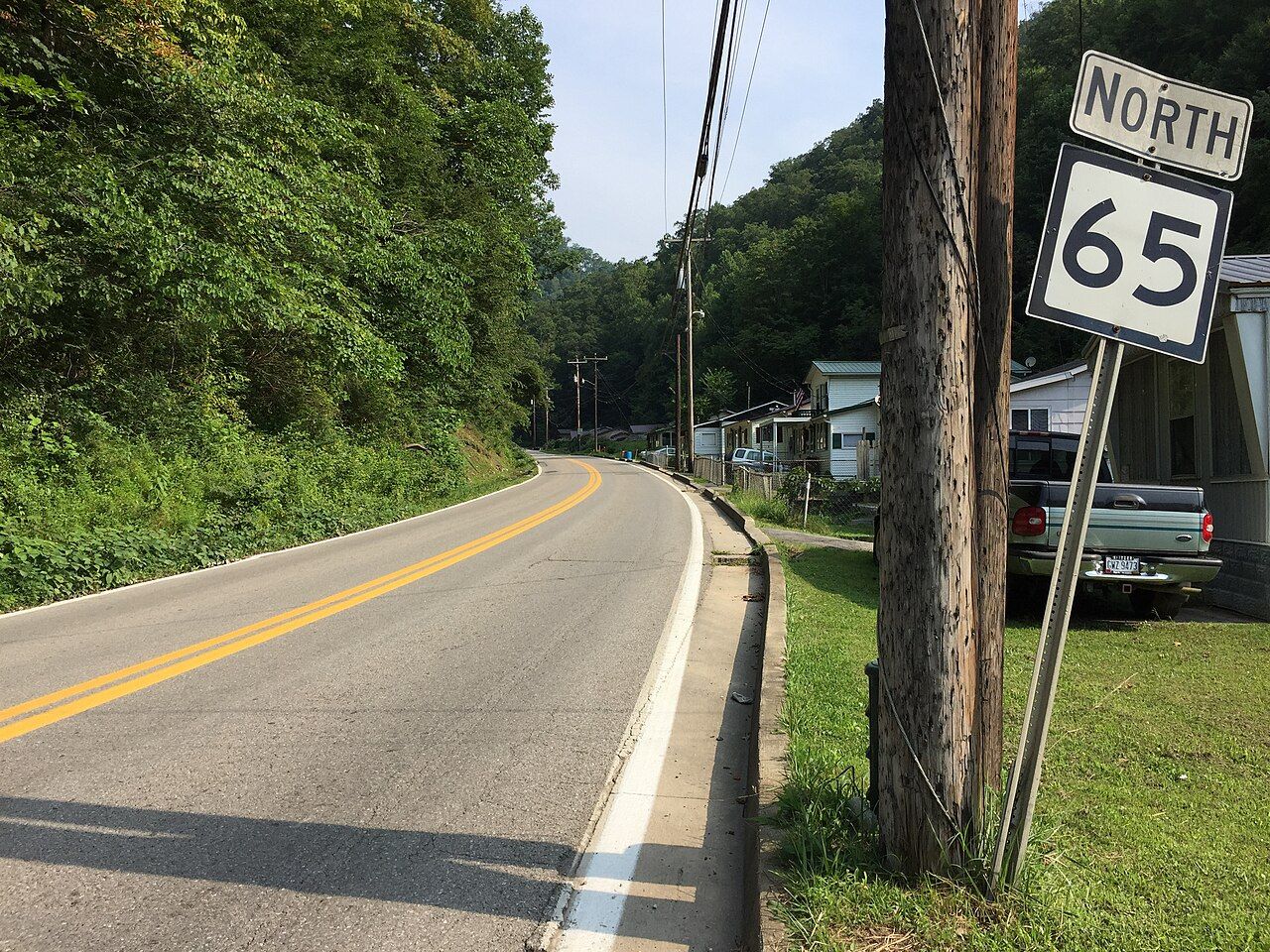

The hollows of feud country are narrow valleys between steep ridges, each with a creek, a road and a string of houses running up toward the head of the hollow. For generations they defined life here: a family's hollow was its world. Today, many visitors see them from a different angle, on all-terrain vehicles and side-by-sides on trails that climb the ridges above. This guide covers what you need to know in general terms.
The trail system in brief
Southern West Virginia has a large public trail system for off-highway vehicles, named the Hatfield-McCoy Trails after the families of the feud. It opened in 2000 and has grown into many separate trail areas across several counties, with a very large network of marked routes. The trails use land made available by private landowners, including timber and coal companies, under agreements with a state authority.
Some trail areas connect directly to towns, so riders can come into town for food and fuel on approved routes. Trails range from easy forest roads to steep, rocky climbs. Each area has its own character and difficulty ratings, and maps show which routes suit beginners and which are for experienced riders only.
Permits and rules
Riding the trail system requires a permit, and there are rules on vehicles, equipment and conduct. The details, including costs, age limits, passenger rules and which vehicles are allowed on which trails, are set by the trail authority and by state law, and they change. In general terms:
- Permits are required for riders on the trail system, and should be carried while riding.
- Helmets are required. Expect rules on approved helmet types and other safety gear.
- Stay on marked trails. Leaving the trail onto unmarked land usually means trespassing on private property.
- Follow trail ratings. Signs and maps mark difficulty and allowed vehicle sizes.
- No riding under the influence. Alcohol and drugs are prohibited on the trails.
- Respect hours and closures. Trails may close at night, in bad weather or for work.
Rules on road riding, the use of public roads between trailheads and towns, differ by town and county.
The hollows by car
You do not need an ATV to see the hollows. Many paved and gravel roads run up them, and driving slowly up a hollow tells you a great deal about the region. You will pass family houses, small churches, graveyards on hillsides, gardens and old mine benches.
These roads are not scenic drives built for visitors. They are the driveways and main streets of people who live there. Many are single-lane in places, with few spots to pass, steep drop-offs and sharp bends. Drive slowly, pull over for residents and trucks, and do not stop in the road to take photographs. If a road narrows to a track or becomes someone's yard, turn around where it is safe.
Another stop · Sarah AnnThe Hatfield Cemetery and Devil Anse's statuePrivate land and family graves
Almost all the land in the hollows is private. That includes most family cemeteries, which are scattered across the hillsides, often small and sometimes fenced. Many of the graves of feud figures lie in family plots on private land. Some, like the Hatfield Cemetery near Sarah Ann, are open to respectful visitors; many others are not.
- Ask before entering. If you cannot find the owner, stay off the land.
- Do not ride on or near graves. Even an old, unmarked graveyard is a burial ground.
- Close gates behind you. Livestock and property depend on it.
- Do not remove anything. That includes stones, artifacts and plants.
The families of the feud were real people, and their descendants live in these hollows today. A visitor who treats the land with respect is welcomed far more readily than one who treats it as a theme park. For the background on who lies where, see our short history of the feud.
Safety in remote country
The hollows and ridges are remote. Help can be a long way off, and phone signal is weak or absent in many places.
- Tell someone your plan. Share your route and expected return time.
- Carry a paper map. Do not rely on phone navigation alone.
- Ride with others. A breakdown or injury alone in the hills can be serious.
- Check the weather. Storms can flood low roads quickly and make trails slick.
- Watch for hazards. Old mine openings, high walls and unstable ground exist in this country. Never enter mine openings.
- Carry water, food and first aid. Distances feel longer on rough ground.
Coal trucks and timber trucks use many of the same main roads, often at speed. On narrow roads, give them room, and never park in a turnout they need.
Seasons at Southern West Virginia
Spring and fall are the most popular riding seasons, with mild temperatures and fewer bugs. April and May bring green ridges and wildflowers; October brings color and cool, dry days. Summer is hot and humid, with afternoon storms, and trails can be dusty. Winter riding is possible on some days, but ice, mud and short daylight make it harder.
Fall is also hunting season, and hunters use many of the same ridges. Wear bright colors when you are off the marked trails.
To combine riding with the feud sites, base yourself in one of the valley towns and plan a day or two for each. Our driving plan covers the historical stops in a sensible order.