

In the feud years, almost everything a family in the Tug Valley ate came from its own hollow. Corn grew on the steepest slopes, hogs ran in the woods, beans and squash filled the gardens, and wild plants filled the gaps. That way of eating shaped a cuisine that still runs through the region: plain, filling, frugal and tied to the seasons. You will not find it described on menus so much as at church suppers, festivals and family tables.
Corn and hogs
Corn was the foundation. It grew where little else would, it could be stored through the winter, and it fed people, livestock and the family's still. It was ground into meal for cornbread, mush and hominy. Mountain cornbread is usually baked in a hot, greased cast-iron skillet, with a crisp crust and little or no sugar; many families feel strongly about that last point.
Corn also went into whiskey. Distilling at home was common in the mountains long before and long after the feud, and accounts of the period link several feud figures to the trade.
Hogs were the other pillar. They foraged on acorns and chestnuts in the woods and were butchered in late fall when the weather turned cold. The meat was salted, smoked and stored. Bacon, ham, sausage and lard ran through the year's cooking. The feud itself is often said to have flared over a disputed hog in 1878, a reminder of how much a single animal mattered; that case is told in our account of the hog trial.
Soup beans and the garden
Soup beans, usually pinto beans cooked slowly with a piece of salt pork or a ham hock, are perhaps the region's signature dish. Served with cornbread, chopped raw onion and sometimes chow-chow, a sweet and sour relish of cabbage, peppers and green tomatoes, they make a complete meal. Many families ate them several times a week.
Gardens supplied green beans, tomatoes, cabbage, potatoes, onions and squash. Before refrigeration, much of the harvest was preserved. Green beans were strung on thread and dried in the sun to make what people call leather britches, then cooked for hours in winter. Cabbage became sauerkraut. Tomatoes, beans and fruit were canned.
- Soup beans: pintos simmered with pork, served with cornbread.
- Leather britches: dried green beans, cooked slowly with pork.
- Chow-chow: a tangy relish for beans and greens.
- Fried apples: sliced apples cooked in a skillet with butter or bacon fat and a little sugar, served at breakfast or supper.
Ramps in spring
Ramps are wild leeks that grow in moist woods on north-facing slopes, appearing in early spring. They have a strong garlic and onion flavor and a reputation for an odor that lingers. For mountain families coming out of winter, they were among the first fresh green foods of the year.
Ramps are typically fried with potatoes, scrambled with eggs, or cooked with bacon. Many communities in the region hold ramp suppers or festivals in April, often as fundraisers for churches, fire departments and schools. Dates and places change each year.
Ramps grow slowly, and overharvesting has reduced them in some places. If you forage, take only a small share from any patch, leave the roots of many plants, and never dig on land without permission.
Another stop · Southern West VirginiaATV trails and the hollows: riding feud country with carePawpaws in late summer
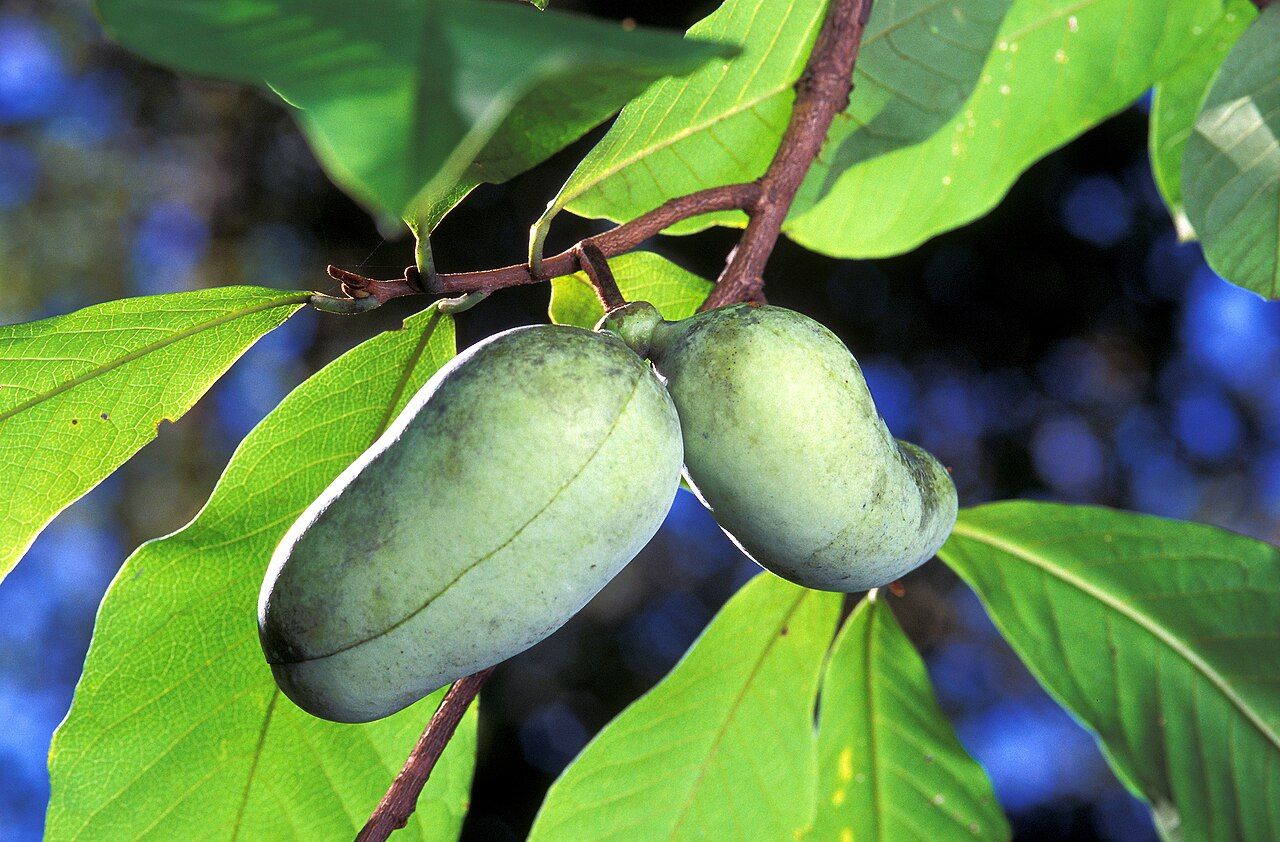
The pawpaw is the largest fruit native to the United States. It grows on small trees in river bottoms and moist woods, often in patches along creeks. In late summer and early fall, the green fruit ripens and softens, with custardy flesh that tastes something like banana and mango. It bruises easily and keeps poorly, which is why it rarely appears in stores.
The pawpaw has a darker place in feud history. In August 1882, the three McCoy brothers were tied to pawpaw bushes on the West Virginia side of the Tug before they were killed. The event is told plainly in our account of election day 1882.
Apple butter and sorghum
In the fall, many communities still gather to make apple butter. Apples are cooked down for hours in a large copper kettle over a wood fire, stirred constantly with a long wooden paddle so they do not scorch, until they become a thick, dark spread. Spices are added near the end. The work is long and social, and apple butter stirrings at fall festivals remain popular.
Sorghum syrup, often called sorghum molasses, comes from sorghum cane. The cane is cut in the fall, crushed in a mill to extract the juice, and the juice is boiled down in a long pan until it becomes a thick, amber syrup. It was the region's main sweetener when sugar was expensive. It goes on hot biscuits with butter, into baked goods and over cornbread.
Finding the food today
The best places to taste traditional mountain food are often not restaurants. Look for:
- Church and community suppers, often advertised on roadside signs and in local papers.
- Fall festivals with apple butter stirrings and sorghum making.
- Spring ramp suppers in April.
- Farmers markets and roadside stands in summer and fall, selling produce, jams and sometimes apple butter.
Food is one of the most welcoming ways into the region's life. A plate of soup beans and cornbread at a community supper tells you more about the hollows than many history books, and it connects you to the families who have lived here for generations. For a route through the region, see our driving plan.
Back to On the road in feud country